How to Choose the Right Safety Shoes
Steel toe or composite? Low-ankle or boot? A practical guide to picking safety shoes that actually protect on your worksite.
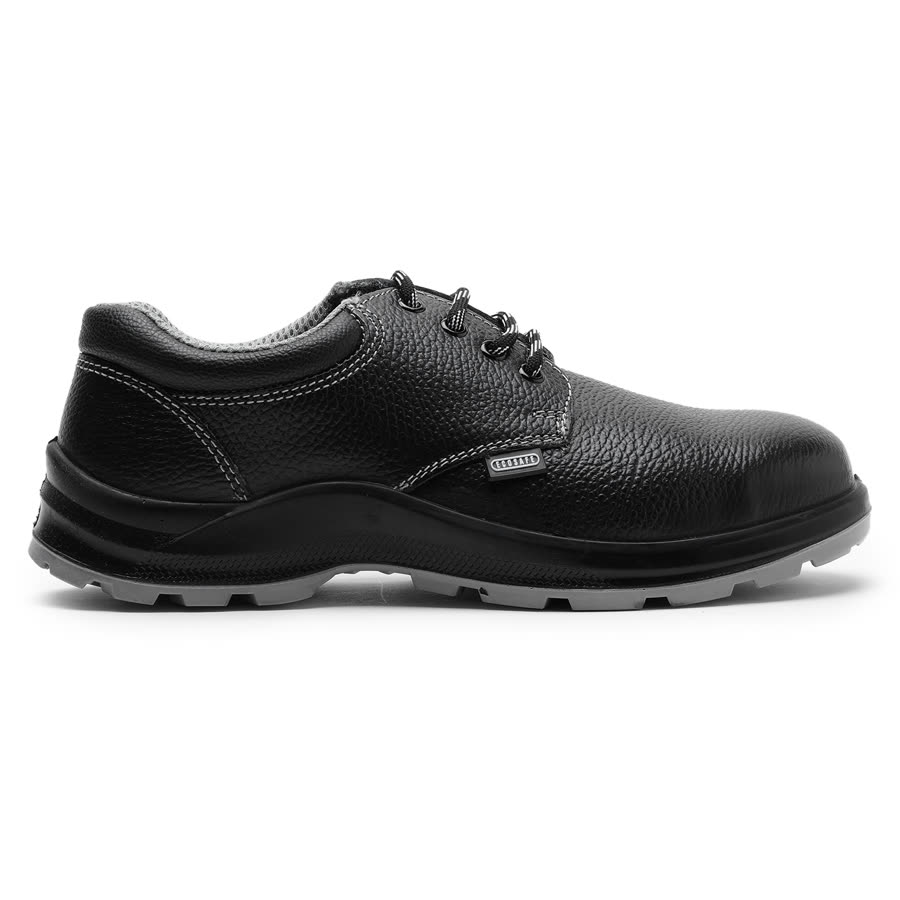
Safety footwear is the foundation of any safety programme — yet it's often chosen on price alone. The right shoe depends on the hazards of the job: impact, punctures, slips, water, or electrical risk.
Start with the hazards
Heavy objects overhead call for a 200-joule toe cap. Nails and sharp debris need a puncture-resistant midsole. Wet or oily floors demand an SRC slip-resistant sole. List your risks first, then match the shoe.
Low-ankle shoe or high-ankle boot?
Low-ankle shoes are lighter and cooler for indoor and factory-floor work. High-ankle boots add ankle support and protection for uneven ground, construction and outdoor sites.
Fit matters most
A shoe that doesn't fit won't be worn. Size at the end of the day when feet are largest, always try them with your work socks, and choose a model built on the right last for the wearer.